
The HR Security Questions Nobody Asks (Until There’s a Breach)
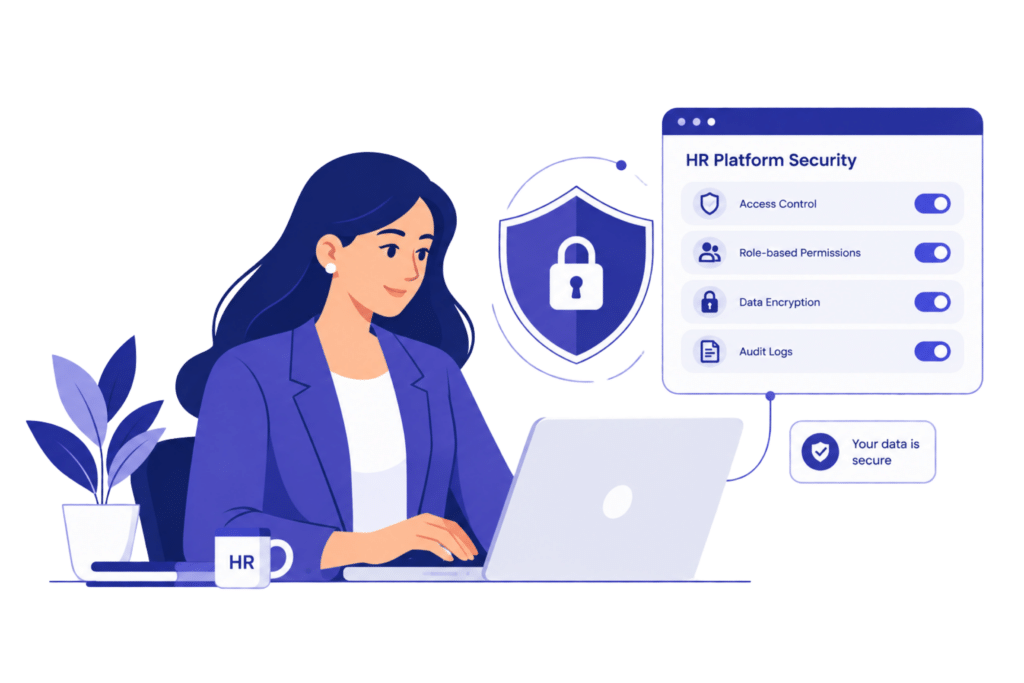
Most HR teams pick up a platform for good reasons: less manual work, better employee experience, and smoother processes. Demos are exciting, features are impressive, and everyone wants to get started. HR Platform Security usually comes up late, and often it gets handed over to IT with a quick “can you check this?” By then, the contract may already be signed. Section At a glance The Risk HR platforms hold your most sensitive employee data, yet security is usually checked last. Why HR data is different? What makes people’s data so sensitive, and why a slip-up feels personal. One simple question A question about employee exits that many teams can’t answer with confidence. Single Sign-On (SSO) What SSO is, and why it’s about control, not just convenience. 5 questions to ask What to ask before you choose an HR platform (and why a “yes” isn’t always enough). Common mistakes Three slip-ups that even careful teams make when buying HR software. HR + IT together Why this decision shouldn’t be left to IT alone. The ELEV8 way How we think about security, and how to see it in action. Why HR data is different Think about what sits inside an HR platform: names, contact details, payroll information, performance reviews, personal documents. This isn’t just company data. It’s information about real people who trust you with it. A leak here doesn’t only create an IT problem. It creates a trust problem, with your employees, your leadership and sometimes your regulators. That’s why HR platform security deserves a place in the buying conversation from day one, not just at the end. Start with one simple question Imagine an employee resigns on Friday. By evening, their email is switched off and their laptop is returned. Now ask: “What about their HR login?” It sounds basic, but the answer says a lot about how a platform handles logins, permissions and offboarding. Many teams can’t answer it with confidence, and that’s exactly the gap worth closing. Single Sign On (SSO) This is where Single Sign-On (SSO) comes in. Employees log in with their usual company account, like Google or Microsoft, and IT manages access from one place. Fewer passwords for people to remember, and fewer loose ends for IT to chase. It’s more than convenience. It’s controlled. But SSO alone is not the full picture. 5 questions to ask before you choose an HR platform When you’re evaluating a vendor, “Is it secure?” is too broad to be useful. These five get you much closer: Does it fit the login system we already use? A platform that works against your existing setup creates extra work and extra risk. Can we control who sees what, down to the role? Not everyone in HR needs to see everything. What happens to access the moment someone leaves? Speed matters more than most people expect. Can we see who accessed sensitive data, and when? If something looks off, you’ll want to answer fast. Where is our employee data stored, and who else can touch it? Know this before you sign, not after. Sounds simple, right? The tricky part is knowing what a good answer looks like. A vendor can say “yes, we support that” and still leave gaps, and those gaps are what show up after a breach. Common mistakes even careful teams make Treating SSO as the whole plan. It’s a strong start, but it’s one layer, not the finish line. Asking “do you have it?” instead of “how does it work?” The first gets you a yes. The second gets you the truth. Bringing IT in at the last step. By then, changing the decision is hard and expensive. Don’t leave it all to IT The best HR tech decisions are made by HR and IT together. HR knows what data is at stake and who needs access to it. IT knows how to protect it and how it fits with the rest of your tools. If you’re comparing platforms right now, bring both to the table early. A 30-minute conversation before the demo can save months of trouble after it. How we think about it at Elev8 At Elev8, we built our engagement and recognition platform with security in mind from day one: SSO with Google and Microsoft, role-based access, audit trails and secure data handling. We believe a good platform should make HR’s life easier without making IT’s life harder. Curious how this fits your company’s setup? Book a free demo and we’ll walk you through it. Frequently Asked Questions What is HR platform security? It’s how an HR system protects employee data, through safe logins, controlled access and responsible data handling. Why does SSO matter for HR software? It gives IT one place to manage and remove access, so former employees don’t keep a working login. Is SSO enough on its own? No. It’s one layer, and it works best alongside other safeguards. See how we approach this at Elev8 What should HR ask a vendor about security? Start with the five questions above, then see how Elev8 answers them in a quick demo.
The HR Security Questions Nobody Asks (Until There’s a Breach) Read More »
